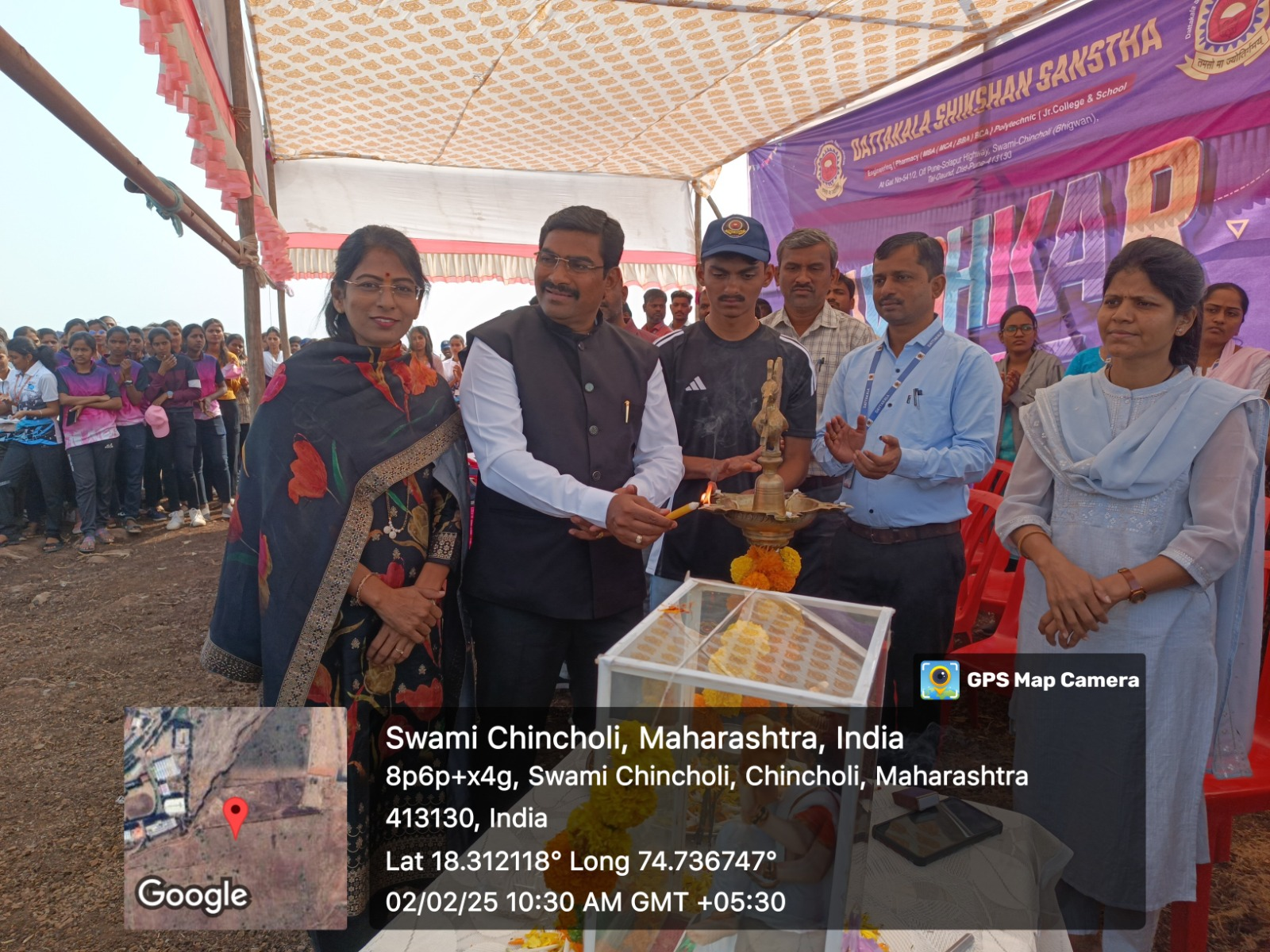
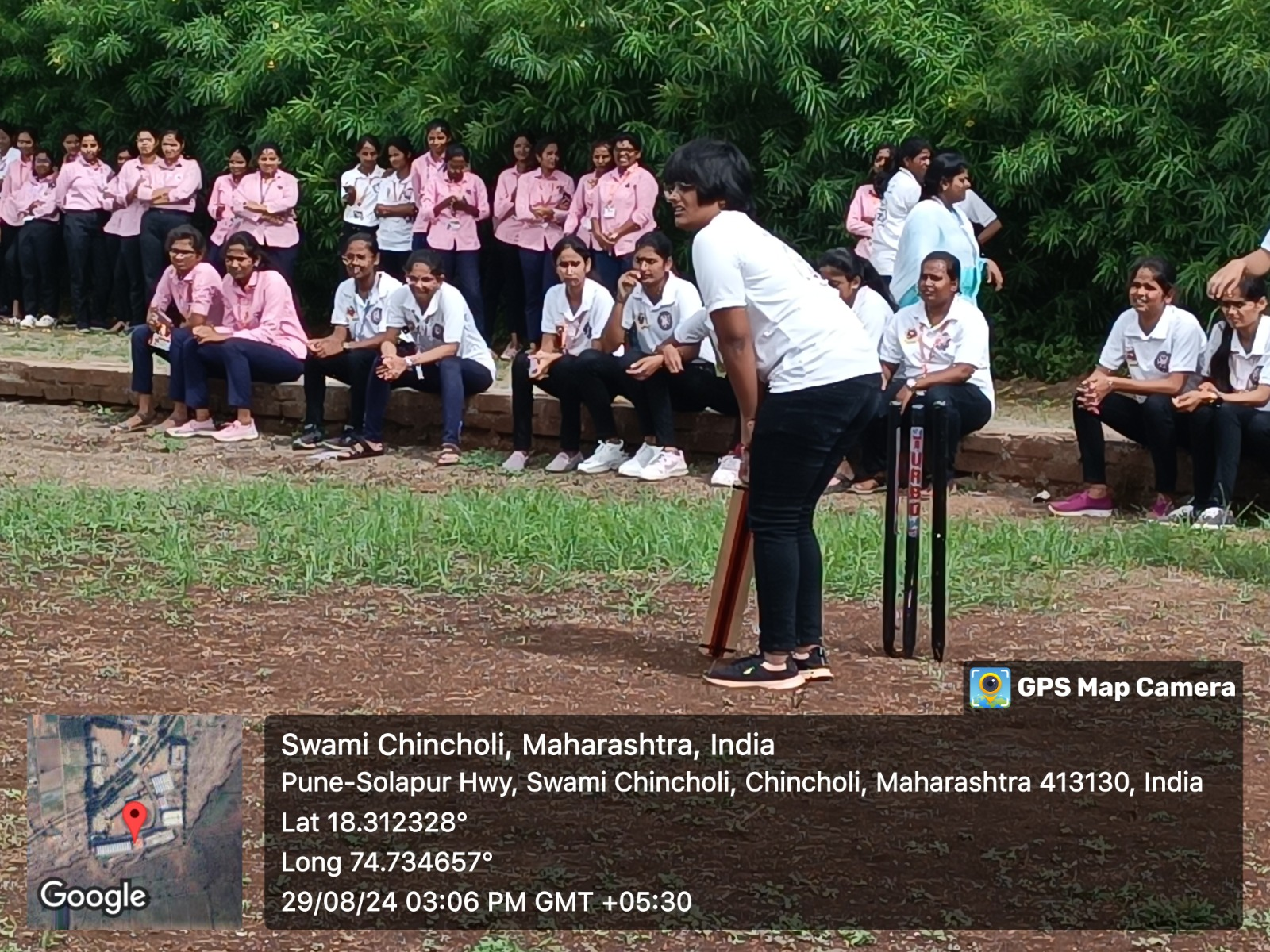
Sports :
Sports activities play a significant role in the overall development of students. Here's a comprehensive overview of sports conduction in colleges:
Importance of Sports
- Physical Health: Encourages fitness and a healthy lifestyle.
- Mental Wellbeing: Reduces stress, enhances focus, and builds confidence.
- Teamwork & Leadership: Teaches collaboration, communication, and leadership skills.
- Time Management: Balancing academics and sports helps students manage time effectively.
- Career Opportunities: Talented athletes may pursue professional sports or receive scholarships.
Types of Sports Conducted
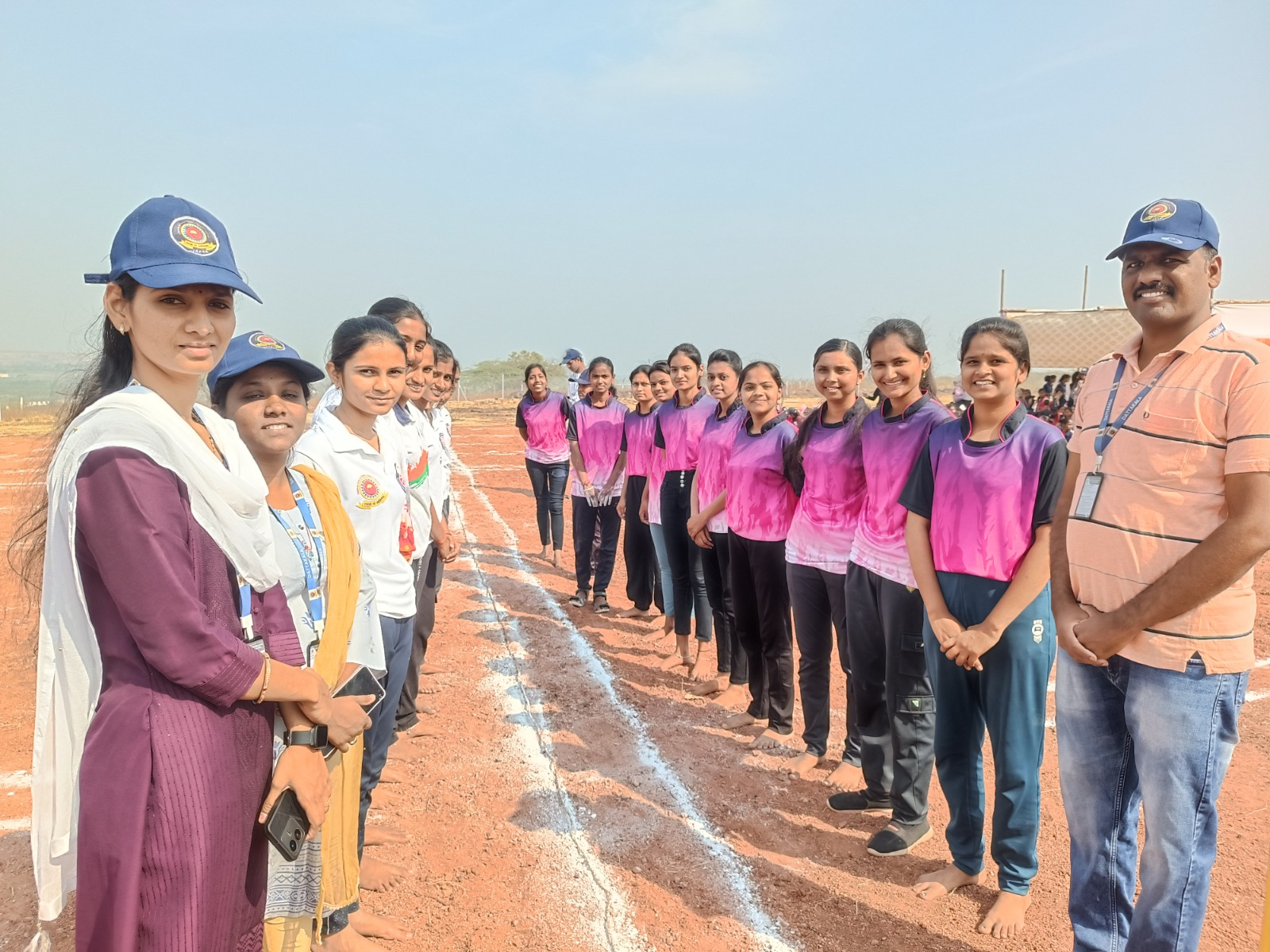
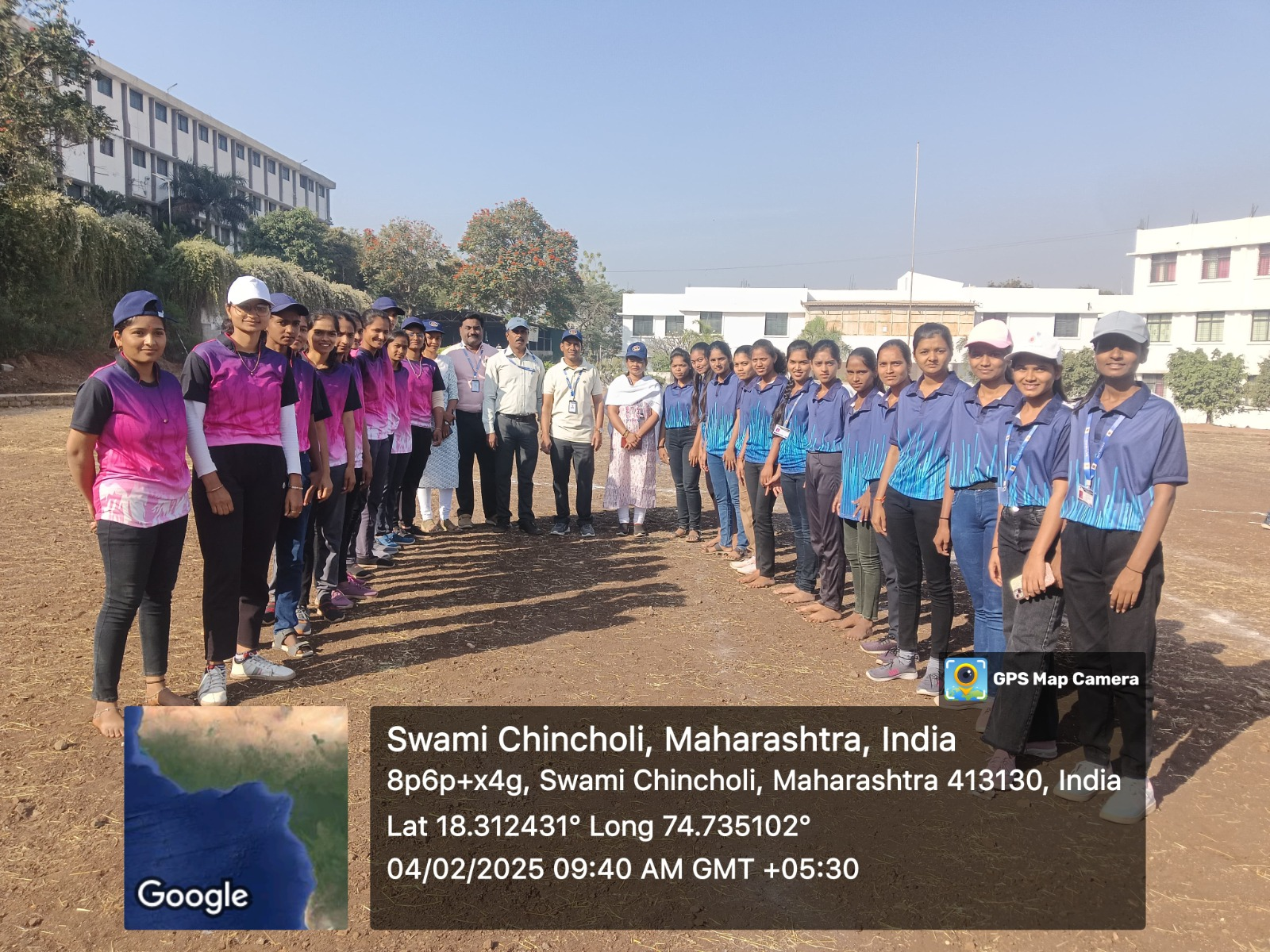
- Outdoor Sports: Football, cricket, athletics, hockey, basketball, volleyball, kabaddi.
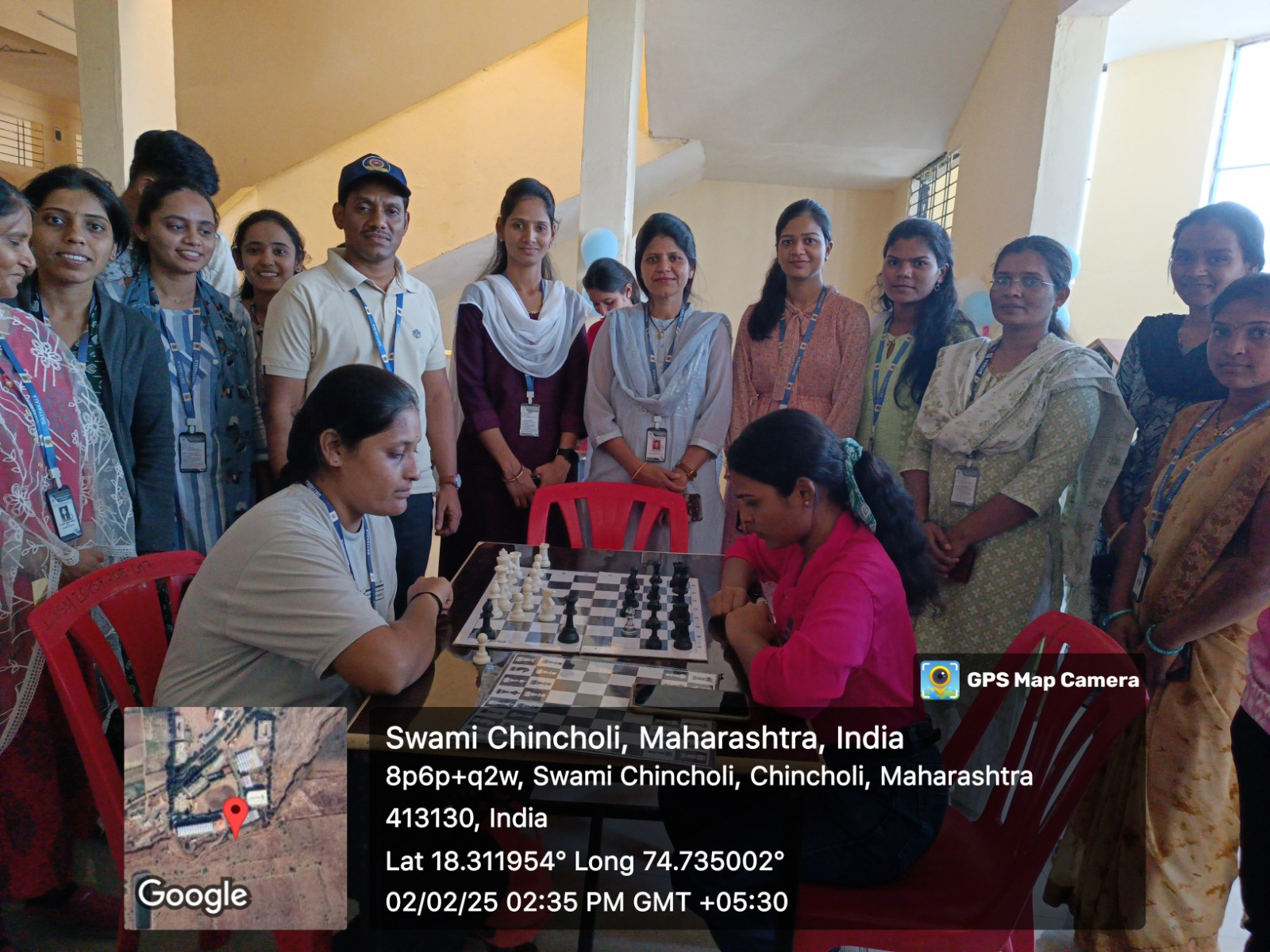
- Indoor Sports: Badminton, table tennis, chess, carrom, squash.
- Adventure/Other Events: Trekking, cycling, martial arts, yoga.
Ways Sports Are Organized
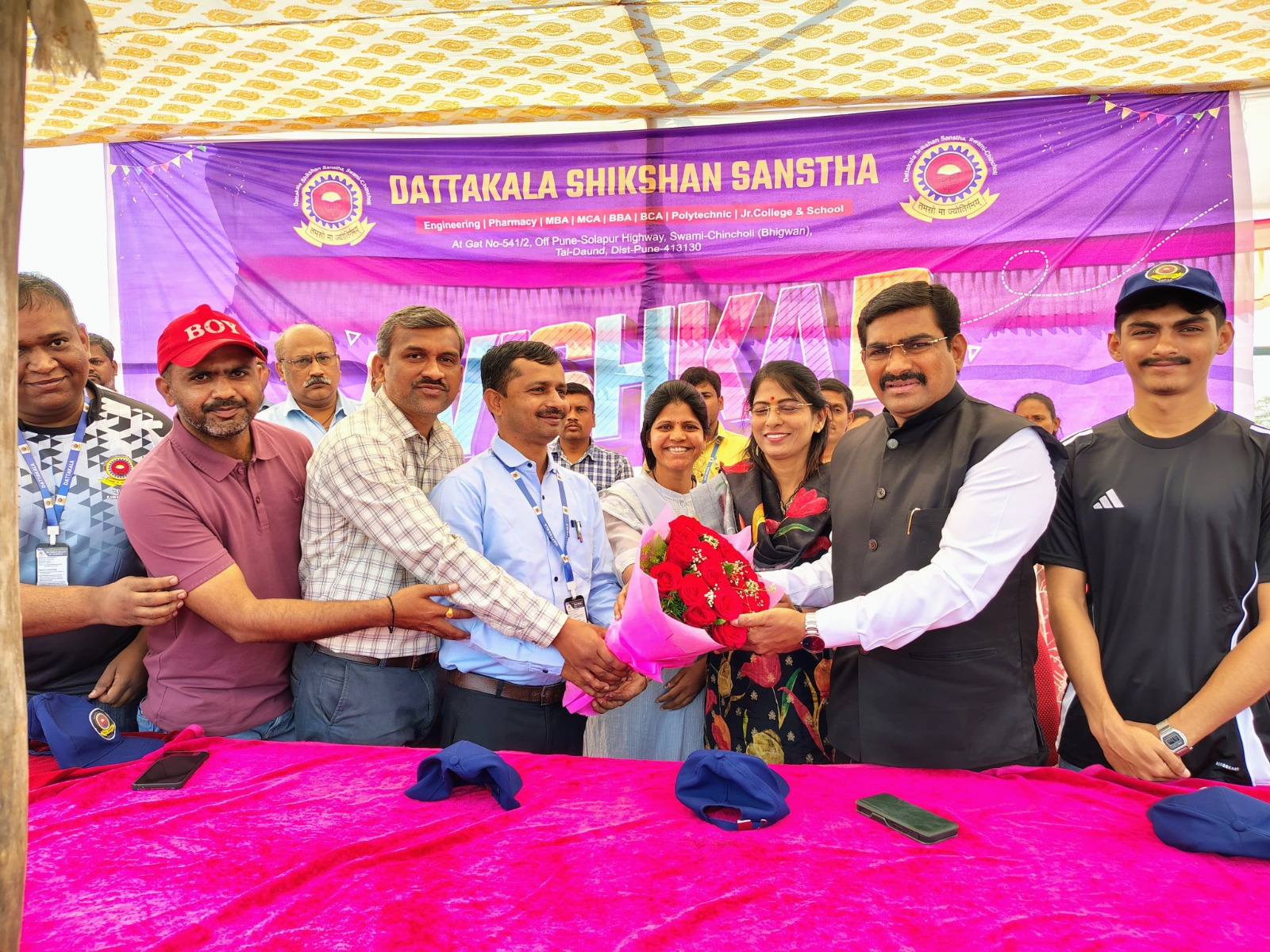
- Annual Sports Day: Major event featuring competitions and awards.
- Intercollegiate Tournaments: Competitions with other colleges.
- Intramural Events: Intra-college house or department-wise competitions.
- Clubs and Societies: Dedicated clubs for specific sports.
- Physical Education Classes: Curriculum includes mandatory sports activities.
Facilities Provided
- Playgrounds, gymnasiums, courts (basketball, tennis, etc.), indoor halls.
- Equipment and kits for various sports.
- Coaches or physical education instructors.
Challenges in Sports Conduction
- Limited funding or resources.
- Academic pressure.
- Lack of infrastructure.
- Lesser focus on lesser-known sports or female participation.